


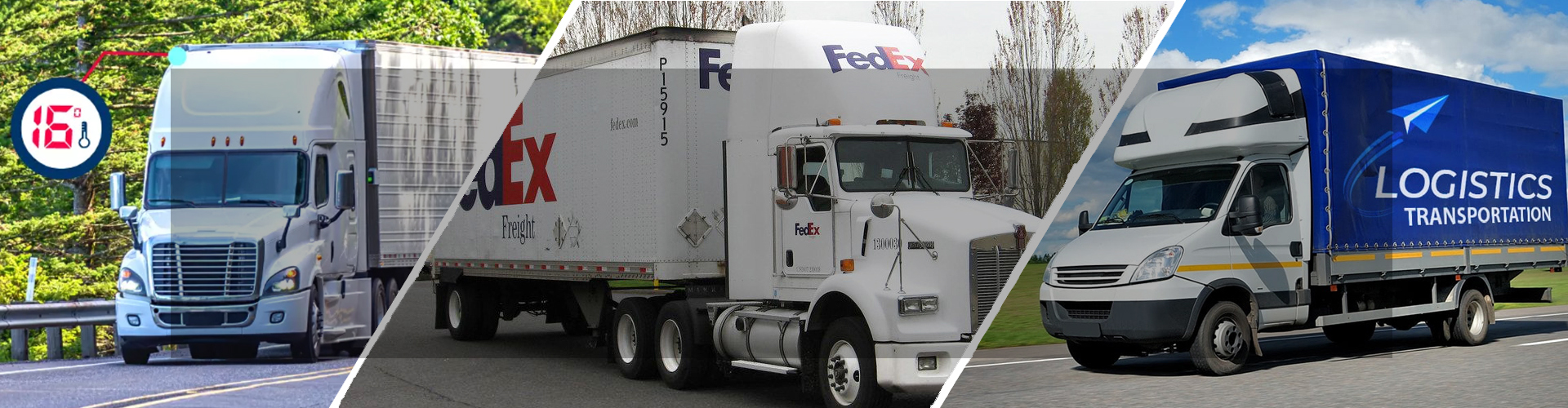
Seal Cargo-Freight, Logistics& Transport
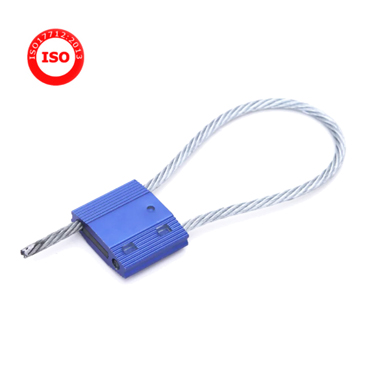
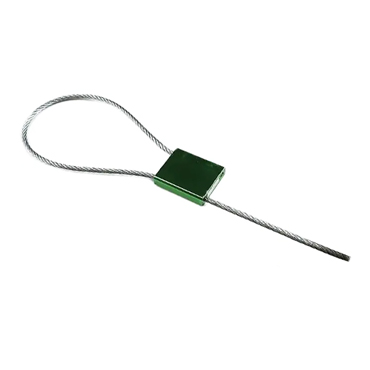
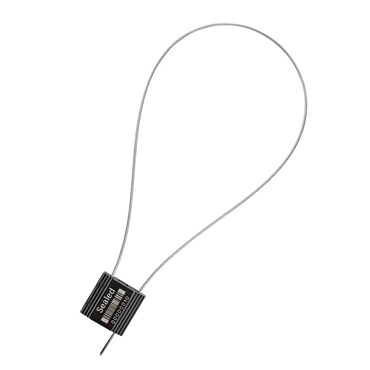
Seal Cargo For Freight-Logistics-Transport
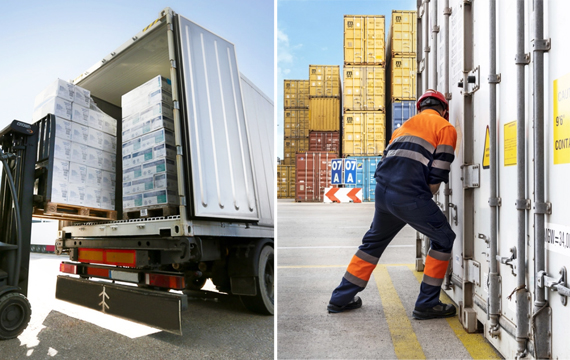
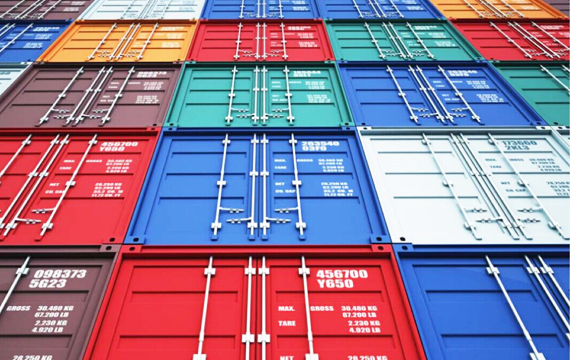
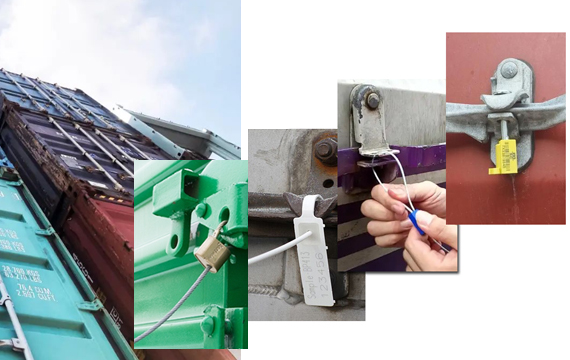
✔ Shipping Containers (Ocean, Road& Rail): Bolt seals ensure FCL (Full Container Load) security. ISO 17712 compliance for customs clearance.
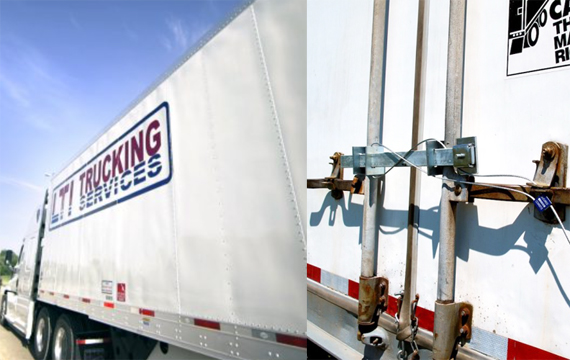
✔ Trucking& Freight Transport: Cable seals secure trailer doors. Barrier seals for refrigerated (reefer) trucks.
✔ Warehousing& Distribution: Plastic seals for palletized goods. Cable seals for high-security inventory.
✔ Air Freight& Expedited Shipping: Lightweight pull-tight seals for parcels. Tamper-proof labels for sensitive documents.
Industries That Rely on Cargo Seals
🔹 Retail & E-Commerce (Prevent parcel theft)
🔹 Pharmaceuticals (safe transport compliance for medicines)
🔹 Food & Beverage (HACCP & FDA requirements)
🔹 Automotive & Electronics (High-value component security)
Security seals play a vital role to seal cargo during freight logistics and transportation.













Why Use Tamper-Evident Seals for Cargo & Freight?
Protecting Value & Ensuring Safe Transportation.
Using tamper-evident seals for cargo and freight is a critical security measure in logistics, supply chain management.
✔ Anti-theft protection: If a seal is broken or missing, it’s immediately obvious that someone has accessed the cargo. This is essential for:
-High-value goods (electronics, pharmaceuticals, designer apparel).
-Sensitive shipments (documents, hazardous materials).
✔ Tamper-proof transit: Seals help maintain accountability throughout the logistics process, Every party handling the cargo can verify if it has been tampered with. Improves traceability and reduces disputes between shippers, carriers, and receivers.
✔ Builds Customer Trust: for businesses shipping valuable or sensitive goods, clients and end customers see seals as proof of integrity, Reduces risk of returns or claims due to suspected tampering.
✔ Cost-Effective Security Measure: Compared to advanced tracking technologies, tamper-evident seals are inexpensive but highly effective in preventing losses and fraud.
For logistics, freight, and shipping, the right security seal depends on the type of cargo, transport method, and level of security needed. Here’s recommendation:
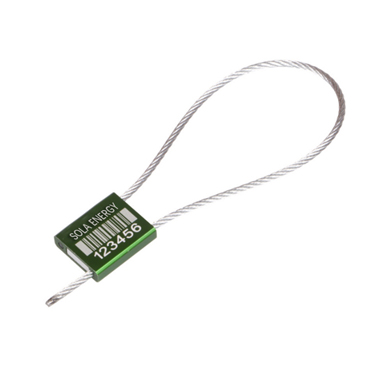
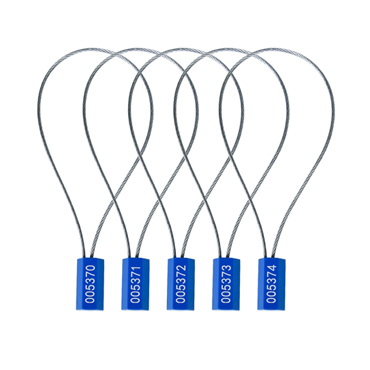
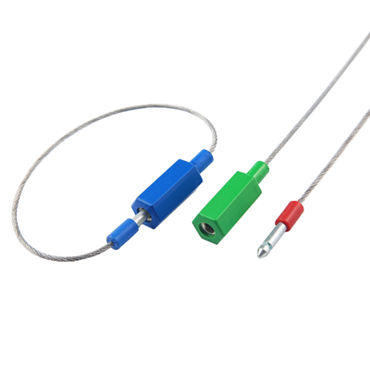
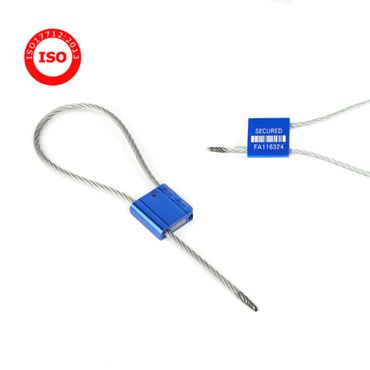
1. Cable Seals
Description: Flexible steel cable with a locking mechanism.
Best for: Shipping containers, trucks, railcars, and large cargo.
Why:
High security; very difficult to cut without tools.
Long cable allows sealing irregular shapes, adjustable and flexible.
Unique serial numbers for tracking.
Example Use: Container doors at ports; high-value or high-risk cargo.
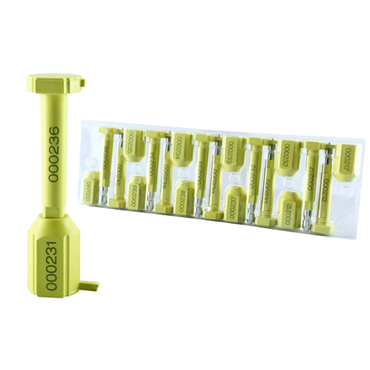
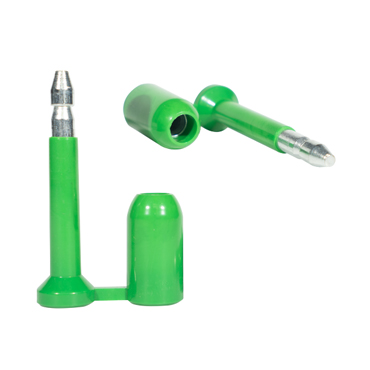
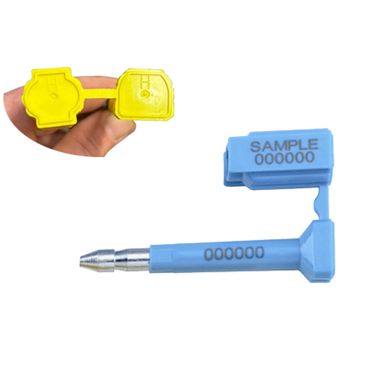
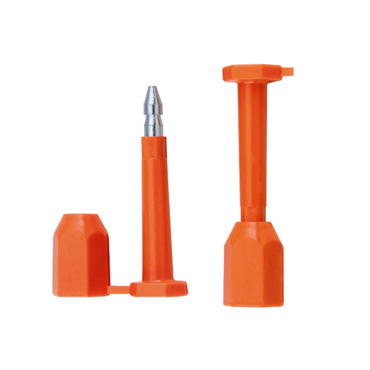
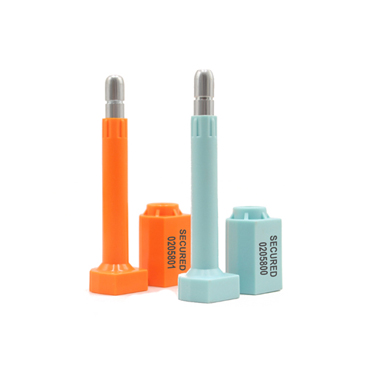
2. Bolt Seals
Description: Heavy-duty metal bolt with a plastic or metal locking cap.
Best for: International freight containers and cargo that requires maximum tamper resistance.
Why:
Complies with ISO 17712 standard for high-security container seals.
Resistant to cutting, prying, or hammering.
Tamper evidence is clear and undeniable.
Example Use: Ocean freight, cross-border container shipments.
3. Plastic Pull-Tight Seals
Description: Flexible, single-use plastic seals with a pull-tight mechanism.
Best for: Pallets, postal parcel bags, boxes, small shipments, and airline cargo.
Why:
Lightweight and cost-effective.
Easy to apply and remove.
Can have serial numbers or barcodes for tracking.
Example Use: Parcel shipments, warehouse pallets, courier services.
4. Metal Strap Seals
Description: Steel strap secured with a locking mechanism.
Best for: Securing high-value cargo where cable seals are not practical.
Why:
Extremely strong and resistant to cutting.
Provides clear evidence of tampering.
Suitable for long-term storage and transit.
Example Use: Machinery, industrial equipment.
5. Lead Seals
Description: Traditional lead seals that are crimped onto a wire.
Best for: Proof of integrity where legal or customs documentation is important.
Why:
Can be stamped or engraved with logos or numbers.
Hard to duplicate.
Common in government or regulated shipments.
Example Use: Customs cargo, official shipping documents.
1. ISO 17712 – Freight Container Seal Standard
What it is?:
ISO 17712 is an international standard for mechanical seals used on freight containers, defining performance requirements and classification for security seals.
Seal Types Defined:
High Security (HS) – Must withstand cutting, prying, hammering; used for international shipping.
Medium Security (MS) – Provides moderate protection; suitable for domestic freight.
Low Security (LS) – For low-risk cargo; mainly tamper-evident, not theft-resistant.
Tamper-Evidence: All anti-tamper seals must clearly show if tampering has occurred.
Marking Requirements: Each tamper evident security seal must have a unique identification number, and manufacturers should provide traceability.
Why it matters:
ISO 17712 ensures that seals used on containers meet international security standards, which is critical for global supply chains.
Using non-compliant seals could invalidate insurance claims or delay customs clearance.
2. C-TPAT – Customs-Trade Partnership Against Terrorism (U.S.)
What it is? :
C-TPAT is a voluntary U.S. Customs and Border Protection program designed to strengthen international supply chain security.
Seal Requirements:
Only ISO 17712-compliant high-security (HS) seals are accepted for C-TPAT-certified shipments.
Seals must be applied properly and monitored throughout transport.
Documentation & Tracking: Companies must maintain a record of seal numbers, who applied them, and verification upon receipt.
Access Control: Only authorized personnel should have the ability to break or apply seals.
Audits: CBP may audit your supply chain processes to verify seal usage and integrity.
Why it matters:
C-TPAT participation can speed up customs processing and reduce inspections.
Compliance reduces security risks and demonstrates corporate responsibility.
Tips:
Always use ISO 17712-compliant high-security seals for international shipments, especially to the U.S.
Maintain records of all seals: numbers, application date, and verification on receipt.
Integrating these seals into your C-TPAT security plan strengthens compliance and reduces risk of theft or inspection delays.
Security seals are widely used across the transportation industry to protect cargo, prevent tampering, and improve traceability throughout the supply chain. Different transportation methods require different types of tamper-evident or high-security seals.
1. Container Shipping (Ocean Freight):
Common Seal Types:
Bolt Seals (ISO 17712 High Security)
Cable Seals
Electronic RFID seals (for advanced tracking)
2. Truck & Road Freight:
Common Seal Types:
Plastic pull-tight seals
Cable seals
Barrier seals
Trailer door seals
3. Rail Freight:
Common Seal Types:
Cable seals
Metal strap seals
Bolt seals
4. Air Freight & Airline Cargo:
Common Seal Types:
Plastic indicative seals
Pull-tight seals
Security labels and tapes
Case 1: Electronics Manufacturer (Preventing Theft in Transit)
Problem: A major electronics company faced cargo theft during ocean freight.
Solution: Implemented ISO 17712 bolt seals with unique serial tracking.
Result: Theft incidents dropped by 75%, and insurance costs decreased.
Case 2: Pharmaceutical Logistics (Ensuring Compliance)
Problem: A pharma company needed tamper-proof compliance for FDA-regulated shipments.
Solution: Used RFID-enabled seals with digital logs.
Result: Achieved full C-TPAT compliance and reduced customs inspections.
Case 3: Food & Beverage Transport (Avoiding Contamination)
Problem: A food distributor needed to prove no tampering occurred.
Solution: Deployed tamper-evident plastic seals with barcodes.
Result: Eliminated claims of spoiled goods due to unauthorized access.